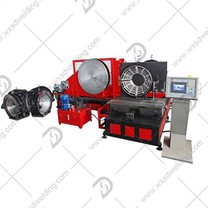
1. Maintenance of the hydraulic system
Inspection and replacement of hydraulic oil
Oil level inspection
Check the oil level in the hydraulic oil tank regularly (such as weekly). The hydraulic oil level should be kept within the appropriate range indicated by the oil gauge. If the oil level is too low, the hydraulic pump may inhale air, causing unstable system pressure, noise or even damage to the hydraulic pump.
Oil quality inspection
Inspect the quality of the hydraulic oil at regular intervals (for example, every 3-6 months, depending on the frequency of use of the equipment). The viscosity, cleanliness, acid value and other indicators of the oil can be tested by an oil analyzer. If the hydraulic oil becomes turbid, black, has an odor or a significant change in viscosity, it may mean that the oil has been contaminated or deteriorated and needs to be replaced in time.
Oil change operation
When replacing the hydraulic oil, stop the equipment first and release the pressure in the system. According to the requirements of the equipment manual, use a suitable oil draining tool to completely drain the old oil, then clean the inside of the oil tank to remove impurities and sediment. Then add new hydraulic oil that meets the specifications of the equipment, and pay attention to avoid impurities from mixing into the oil.
Maintenance of hydraulic components
Hydraulic pump
Check the seals of the hydraulic pump regularly. If leakage is found, the seals should be replaced in time. Leakage may cause loss of hydraulic oil and drop in system pressure. At the same time, check whether the operating sound of the hydraulic pump is normal. If abnormal noise or vibration occurs, it may be that the internal parts of the pump are worn and need to be repaired or replaced.
Hydraulic cylinder
Check whether the piston rod surface of the hydraulic cylinder is scratched, worn, etc. If the piston rod surface is damaged, it will affect the sealing performance of the hydraulic cylinder and cause hydraulic oil leakage. Clean the piston rod regularly and apply an appropriate amount of grease. At the same time, check the sealing device of the hydraulic cylinder. If leakage is found, the seal should be replaced in time.
Hydraulic valve
Keep the hydraulic valve clean to prevent impurities from clogging the valve port. Clean the hydraulic valve regularly, and you can use a special cleaning agent. If the hydraulic valve is found to be working abnormally, such as pressure regulation failure, unstable flow, etc., it may be that the internal parts of the valve are worn or damaged, and need to be repaired or replaced.
2. Maintenance of welding system
Maintenance of electrode
Cleaning electrode
After each welding task is completed, clean the electrode surface in time. Dirt, oxides and other impurities on the electrode surface will affect the conduction of welding current, thereby reducing the welding quality. You can use a special electrode cleaner or sandpaper to gently wipe the electrode surface to remove impurities.
Electrode wear inspection
Regularly check the wear of the electrode. The electrode will wear after multiple welding. When the electrode wear reaches a certain degree (such as the electrode diameter is reduced to below the specified value), it will affect the welding effect, such as uneven distribution of welding current and reduced welding strength. At this time, the electrode needs to be replaced.
Transformer maintenance
Appearance inspection
Regularly check the appearance of the transformer to check whether the insulation layer is damaged or the coil is exposed. If the insulation layer is found to be damaged, it should be repaired or replaced in time to prevent leakage accidents.
Temperature inspection
During the operation of the equipment, monitor the temperature of the transformer. The high temperature of the transformer may be caused by overload, poor heat dissipation and other reasons. If the temperature is found to be abnormally high, the equipment should be stopped in time to check whether the cooling system is working properly or whether there are other faults.
3. Maintenance of the control system
Maintenance of the electrical control cabinet
Cleaning and dust removal
Clean the electrical control cabinet regularly (monthly) to remove dust and debris in the control cabinet. Dust accumulation may cause problems such as poor heat dissipation and short circuit of electrical components. You can use a hair dryer or vacuum cleaner for cleaning.
Electrical component inspection
Check whether the connection of electrical components such as contactors, relays, and controllers in the electrical control cabinet is firm. Loose connections may cause poor contact and affect the normal operation of the equipment. At the same time, check whether the electrical components have signs of burning or damage. If problematic components are found, they should be replaced in time.
Maintenance of the operation panel
Surface cleaning
Keep the surface of the operation panel clean to avoid pollutants such as oil and dust affecting the normal use of the operation panel. You can use a clean soft cloth to gently wipe the operation panel.
Key and display inspection
Regularly check whether the keys of the operation panel are sensitive and whether the display can display information normally. If the keys are found to be malfunctioning or the display is faulty, the operation panel should be repaired or replaced in time.
IV. Maintenance of the overall equipment
Equipment cleaning
Regularly clean the entire hydraulic butt welding machine, including the fuselage, workbench and other parts. Remove impurities such as dust, oil, metal chips on the surface of the equipment to keep the equipment clean.
Equipment lubrication
According to the equipment's instruction manual, regularly lubricate the moving parts of the equipment (such as the piston rod of the hydraulic cylinder, certain mechanical transmission parts, etc.). Use appropriate lubricants to reduce friction between parts and extend the service life of the equipment.
Regularly check the operating status of the equipment
Start the hydraulic butt welding machine regularly (for example, every month), run it for a period of time under no-load or light-load conditions, and check whether the various functions of the equipment are normal, such as the pressure regulation of the hydraulic system, the current output of the welding system, the operation of the control system, etc. If any abnormality is found, repair it in time.
Wuxi Shunda Plastic Pipes Welding Machine Co., Ltd
+86-510-83292458
 Language
- English
- O'zbek
- Čeština
- Srbija jezik (latinica)
- slovenščina
- عربي
- Malti
- Français
- dansk
- українська
- Bai Miaowen
- suomi
- Việt Nam
- Svenska
- Türkçe
- Gaeilgenah Éireann
- 日本語
- Ελληνικά
- slovenčina
- ไทย
- Cymraeg
- Català
- русский
- magyar
- hrvatski
- România limbi
- Italiano
- বাংলা
- עברית
- فارسی
- Deutsch
- 한국어
- íslenska
- اردو
- Kreyòl Ayisyen
- Indonesia
- Português
- bosanski
- Melayu
- Nederlands
- Norsk
- हिंदी
- Eesti
- Lietuvių
- Latviešu
- Español
- Български
- Polski