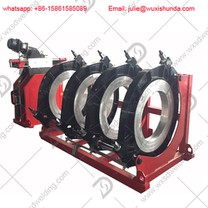
1. Maintenance of mechanical parts
1. Clamping device
Regularly check the clamping force of the clamping device. If the clamping force is insufficient, the workpiece may be displaced during welding, affecting the welding quality. You can use pressure testing equipment or check based on experience, and adjust the pressure adjustment components of the clamping device, such as springs, hydraulic or pneumatic pressure adjustment devices, if necessary.
Clean the surface of the clamp of the clamping device to remove oil, rust and other impurities. These impurities may affect the friction between the clamp and the workpiece, resulting in loose clamping. You can use sandpaper, wire brush or suitable detergent for cleaning.
Check the wear of the clamp. After long-term use, the clamping teeth or clamping surface of the clamp may wear, reducing the clamping effect. If the clamp is found to be severely worn, it should be replaced in time to ensure that workpieces of different sizes can be firmly clamped.
2. Body and workbench
Keep the body and workbench clean, and regularly clean dust, metal chips and other debris. These debris may enter the internal mechanism of the equipment and affect the normal operation of the equipment, such as hindering the activity of moving parts or causing electrical short circuits.
Check the flatness of the fuselage and workbench. If the fuselage or workbench is deformed, it may affect the placement of the workpiece and the accuracy of welding. You can use tools such as a level to check. For minor deformations, you can adjust and repair them. Severe deformations may require professional repair or replacement of parts.
2. Electrical system maintenance
1. Power cord and plug
Check whether the power cord is damaged or aged. A damaged power cord may cause leakage and pose a safety hazard. If the outer skin of the power cord is found to be cracked, worn, or the internal wires are exposed, the power cord should be replaced in time.
Ensure that the plug is firmly connected to the socket. Loose connections may cause arcing, heating, and even damage the plug and socket. Regularly check whether the pins of the plug are deformed or corroded. If so, they should be repaired or replaced.
2. Welding transformer
Pay attention to the heat dissipation of the transformer. The welding transformer generates heat when working, and good heat dissipation is essential to ensure its normal operation. Check whether the cooling fan of the transformer is operating normally and whether the vents are unobstructed. If the cooling fan is damaged, it should be replaced in time; if the vents are blocked, the blockage should be cleared.
Regularly check the insulation performance of the transformer. The insulation resistance between the primary and secondary windings of the transformer and between the windings and the casing can be measured using an insulation resistance meter. If the insulation resistance is lower than the specified value, the insulation layer may be damaged and the transformer needs to be repaired or replaced.
3. Control circuit
Keep the control circuit clean to prevent dust and moisture from entering. Dust may cause a short circuit in the circuit, and moisture may cause corrosion of electrical components. A sealing cover or desiccant can be used to protect the control circuit part.
Check the working status of components such as relays and contactors in the control circuit. The contacts of these components may be worn or adhered due to frequent opening and closing. If a problem is found with the contacts, sandpaper can be used to gently polish or replace the contacts to ensure normal logical control of the control circuit.
3. Welding electrode maintenance
1. Electrode cleaning
After each welding, clean the electrode surface in time. Impurities such as oxides and slag on the electrode surface will affect the conduction and distribution of the welding current, thereby reducing the welding quality. A special electrode cleaning tool or sandpaper can be used to gently wipe the electrode surface to remove impurities.
2. Electrode wear inspection
Check the degree of electrode wear regularly. The electrode will gradually wear out during use. When the electrode is worn to a certain extent, it will cause problems such as uneven welding current density and reduced welding quality. According to the material and frequency of use of the electrode, determine a reasonable replacement cycle. When the electrode diameter is reduced to below the specified size, the electrode should be replaced in time.
IV. Other aspects
1. Maintenance of working environment
Keep the working environment of the welding machine dry and clean. A humid environment may cause electrical equipment to be damaged by moisture, and a dusty environment is prone to equipment failure. If possible, dehumidification equipment and dust covers can be set up in the working area.
Avoid working the welding machine for a long time in high or low temperature environments. Extreme temperatures may affect the performance and service life of the equipment. For example, high temperature may overheat electrical components, and low temperature may thicken hydraulic oil or lubricating oil, affecting the normal operation of the equipment.
2. Regular inspection and record
Develop a regular inspection plan and conduct a comprehensive inspection of the equipment according to the plan. The inspection content includes the maintenance points of the above aspects. At the same time, keep good inspection records, record the operating status of the equipment, maintenance measures, replaced parts and other information. This helps to track the health of the equipment, detect potential problems in a timely manner, and provide a reference for equipment repair and upgrade.
Wuxi Shunda Plastic Pipes Welding Machine Co., Ltd
+86-510-83292458
 Language
- English
- O'zbek
- Čeština
- Srbija jezik (latinica)
- slovenščina
- عربي
- Malti
- Français
- dansk
- українська
- Bai Miaowen
- suomi
- Việt Nam
- Svenska
- Türkçe
- Gaeilgenah Éireann
- 日本語
- Ελληνικά
- slovenčina
- ไทย
- Cymraeg
- Català
- русский
- magyar
- hrvatski
- România limbi
- Italiano
- বাংলা
- עברית
- فارسی
- Deutsch
- 한국어
- íslenska
- اردو
- Kreyòl Ayisyen
- Indonesia
- Português
- bosanski
- Melayu
- Nederlands
- Norsk
- हिंदी
- Eesti
- Lietuvių
- Latviešu
- Español
- Български
- Polski