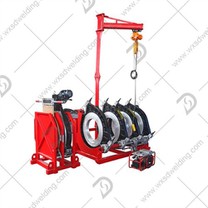
I. Maintenance Signals During Daily Use
1. Abnormal Performance
Pressure fluctuations (exceeding ±0.05 MPa) or temperature deviations (>±5°C) during welding
Intermittent chips or noticeable burrs on the tube end after milling (normally, continuous, strip-shaped chips)
2. Equipment Condition
Hydraulic system oil leakage (visible oil stains at the oil pipe joints) or turbid oil (normally, it should be transparent and light yellow)
PTFE coating peeling, scratches, or residual PE material on the heating plate (clean with an alcohol wipe)
II. Periodic Maintenance Triggers
1. Time/Workload Benchmark
Return to the factory for calibration (including temperature uniformity, pressure system, etc.) every 12 months or after 500 welds.
Hydraulic oil needs to be replaced every 6 months or after 200 hours of operation (No. 46 anti-wear fluid). (Pressing oil)
2. Environmental Acclimatization
After winter use, check the water lines for frost protection (drain any accumulated water daily).
After working in humid environments, test the insulation resistance (should be >25MΩ).
III. Key Component Inspection List
1. Milling Cutter
Wear >0.5mm or chipped cutting edge requires replacement.
2. Hydraulic Oil Hose
Surface cracks or joint leakage require replacement of the seal/entire hose.
3. Heating Plate
Temperature difference >±3°C or coating damage requires professional repair or replacement.
4. Data Interface
Oxidized or poorly connected plugs require alcohol cleaning or replacement.
IV. Extended Maintenance Recommendations
1. Data Management: Regularly export welding data (backup to a USB drive) to avoid system memory overload and lag.
2. Long-term Inactivity: Power on and test once a month to prevent moisture from entering the electrical components.