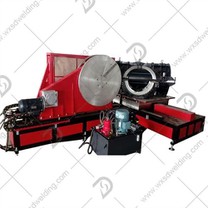
1. Daily Cleaning and Inspection
1. Cleaning the Machine Body and Vents
Wipe the machine housing regularly with a soft cloth to remove dust and oil, and keep the vents clear to prevent poor heat dissipation.
Check the terminal blocks of the electrofusion fittings for oxidation and sand them if necessary.
2. Cable and Connector Maintenance
Ensure that the power cord and output cables are not damaged, the connectors are not loose, and the ground resistance is ≤4Ω.
Test the insulation regularly to prevent leakage.
2. Core Component Maintenance
1. Electrodes and Heating Wires
Check the heating wire inside the electrofusion fittings for exposed or misaligned wires. Replace the fittings if abnormal.
Replace electrodes if severely worn (e.g., deformed) and clean the electrode holder.
2. Cooling System
Water-cooled machines require regular inspection of water quality (replace if turbid) and water pipe tightness. Drain the pipes in winter to prevent freezing and cracking. 3. Long-term Storage and Protection
1. Moisture and Rust Prevention
Store in a dry environment. Apply anti-rust grease to moving parts before prolonged non-use.
Power on and operate the machine once a month to protect components from moisture.
2. Lubrication of Transmission Components
Lubricate moving parts such as cylinders and bearings according to the instructions.
4. Regular Inspection and Calibration
Test welding parameters (current, voltage, and time) quarterly to ensure they meet the pipe manufacturer's standards.
Calibrate the welding machine output terminal to ensure compatibility with the pipe terminal.
5. Safety Operating Procedures
Wear insulating gloves and goggles when operating. After welding, disconnect the power cord and clean the weld slag.
Do not use in humid environments to prevent oxidation of the circuit boards.