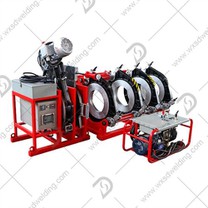
1. Cutting and cutting wear parts
Blades (planer/milling cutter blades): These are the most common wear parts of a PE butt welding machine. They wear continuously when cutting pipe ends, becoming dull over time. They need to be periodically re-sharpened or replaced, generally every 3-12 months depending on usage frequency.
2. High-temperature working wear parts
Heating plate coating: The heating plate operates at temperatures above 200℃ for extended periods. The coating is easily scratched and may peel off. Failure to do so can lead to material adhesion and uneven heating, requiring recoating or replacement of the heating plate.
Temperature control sensor (PT100 thermocouple): Prolonged exposure to high temperatures can cause aging and drift, leading to inaccurate temperature readings. It needs to be calibrated at least annually, and replaced immediately if the deviation exceeds the limit.
3. Hydraulic and Sealing Consumable Components
Hydraulic Seals: Sealing rings at the cylinder and pipe interfaces of hydraulic systems are prone to aging and wear under long-term pressure, leading to oil leaks and unstable pressure. Generally, these seals need to be replaced every 1-2 years.
Quick Couplings: Frequent plugging and unplugging can cause the sealing rubber to age and deteriorate, easily leading to oil leaks and unstable oil pressure. These are frequently replaced consumable components.
4. Electrical Control System Consumable Components
Fuses: Prone to melting under overload or unstable voltage conditions, these are among the most common minor repairs and should be checked and replaced first when there is no power.
Output Plug/Socket Springs: In electrofusion machines or welding machines with external outputs, frequent plugging and unplugging can cause oxidation and deformation of the springs, leading to poor contact. Grinding or plug replacement is required.
Power Cords: Prone to damage and aging due to dragging and friction on construction sites, posing a safety hazard of electrical leakage. Damaged cords should be replaced immediately.
5. Structural Friction-Related Wear Components
Clamping Pins/Sleeves: Frequent opening and closing of the clamping mechanism causes continuous wear on the pins and sleeves. Over time, this can lead to clamp play and misalignment. Replacement is necessary once wear exceeds the allowable limit.
Drive Belts (Gear Drives): For models with motor-driven milling cutters, the belts are prone to loosening and breakage after prolonged stretching. Regular tensioning or replacement is required.