1. Daily cleaning
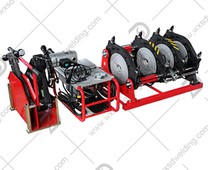
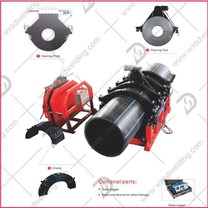
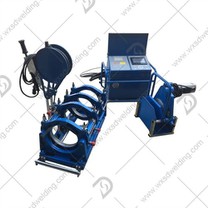
Clean the electric fusion welding machine regularly to remove dust, oil and other impurities on the surface of the welding machine. Use a clean soft cloth to wipe the outer shell, operation panel and output interface of the welding machine. For cleaning inside the welding machine, you can use a small vacuum cleaner or hair dryer (cold air gear) to remove dust, but be careful to avoid damaging the internal circuit components.
Keep the working environment of the welding machine clean and dry, avoid using and storing the welding machine in a humid, dusty or corrosive gas environment, and prevent the internal circuit of the welding machine from being damp, corroded or short-circuited.
2. Electrical component inspection
Regularly check whether the power cord, output line and other wires and cables of the welding machine are damaged or aged. If the outer skin of the wire is found to be cracked, worn or the internal wire is exposed, the wire should be replaced in time to prevent electric shock or short-circuit accidents.
Check the electrical components inside the welding machine, such as transformers (if any), rectifiers, capacitors, relays, etc. Check whether these components have abnormal phenomena such as overheating, burning, deformation or loosening. For problematic components, they should be replaced or repaired in time to ensure the normal operation of the welding machine.
3. Regular calibration
In order to ensure that the welding parameters of the electric fusion welding machine are accurate and reliable, the welding machine should be calibrated regularly. The calibration content includes parameters such as output voltage, output current and welding time. Professional calibration equipment, such as standard voltmeter, ammeter and timer, can be used to operate according to the prescribed calibration procedures.
It is generally recommended to calibrate once every certain period of time (such as half a year or a year), or to calibrate after the welding machine has been repaired or moved, so as to ensure that the welding machine is always in good working condition and provide accurate welding parameters.
Wuxi Shunda Plastic Pipes Welding Machine Co., Ltd
+86-510-83292458
 Language
- English
- O'zbek
- Čeština
- Srbija jezik (latinica)
- slovenščina
- عربي
- Malti
- Français
- dansk
- українська
- Bai Miaowen
- suomi
- Việt Nam
- Svenska
- Türkçe
- Gaeilgenah Éireann
- 日本語
- Ελληνικά
- slovenčina
- ไทย
- Cymraeg
- Català
- русский
- magyar
- hrvatski
- România limbi
- Italiano
- বাংলা
- עברית
- فارسی
- Deutsch
- 한국어
- íslenska
- اردو
- Kreyòl Ayisyen
- Indonesia
- Português
- bosanski
- Melayu
- Nederlands
- Norsk
- हिंदी
- Eesti
- Lietuvių
- Latviešu
- Español
- Български
- Polski