


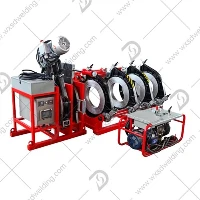
If you've ever walked a jobsite where HDPE pipes are being joined underground, you know a good weld is only as strong as the safety of the team doing it. As a Pe Pipe Welding Machine supplier, I've seen firsthand how small oversights during welding don't just slow projects down-they lead to injuries, costly rework, and even system failures years down the line. PE pipe welding, while reliable when done right, involves high temperatures, high pressure equipment, and sharp materials that demand intentional precautions. Over 12 years of supplying and supporting teams with tools like the Hot Melt Machine Butt Welding Machine, I've compiled the critical, science-backed safety steps we train every customer on, organized to keep your team and project on track.
First, the foundation of any safe weld starts before you even plug in the machine: prep work that eliminates hidden risks. A lot of folks skip this step because it feels tedious, but it's where 30% of jobsite injuries related to PE welding happen, according to the Pipeline Safety Trust's 2023 equipment incident report. The first line of prep is personal protective equipment (PPE) tailored specifically for PE welding, not generic construction gear. I've seen welders show up in cotton gloves, which catch fire instantly if they brush against a 200°C welding plate, but that's not an isolated mistake. The right PPE for PE welding is heat-resistant, arc-proof, and fits snugly to avoid loose fabric coming into contact with hot parts. That means a full, non-synthetic coverall (no cuffed sleeves, no loose drawstrings), heat-resistant leather gloves with a split palm for dexterity, face shields with a dark enough tint to block radiant heat (not standard safety glasses, which leave gaps for heat and molten plastic), and steel-toe boots with non-slip soles-pe pipe welding often happens on uneven ground near trenches, so slips are a major risk.
Next, inspecting your equipment isn't just a maintenance chore-it's a safety mandate. A faulty welding clamp or a frayed power cord can turn a routine job into a hazard. Every morning before use, check two core parts of your machine: the clamping system and the heating plate. Clamps that are worn can shift during the fusion phase, which doesn't just create a weak weld-it can cause a pipe to eject at high speed. I once had a customer whose team skipped clamp checks; a 6-inch HDPE pipe flew off when the clamp slipped, grazing a worker's arm and shutting down their project for three days. For heating plates, small cracks or carbon buildup can lead to uneven heat, which creates weak welds and also means the plate can spit hot plastic when it's removed. If your plate has scratches deeper than 1mm (we check this with a precision gauge in our manuals), it's time to replace it. We also emphasize checking the power cord for fraying or exposed wires before every use, especially on jobsites with heavy equipment that can roll over cables. For teams using manual tools, like the Manual HDPE Welding Machine, the smaller, portable design means cords can get tangled more easily, so extra care is needed here.
Once the machine is prepped, the jobsite environment itself needs assessment. PE welding requires a flat, stable surface to set up the machine-no uneven dirt or loose gravel, which can cause the machine to wobble and misalign pipes. I tell all our customers to clear a 10-foot radius around the welding area of all flammable materials: propane tanks, dry vegetation, plastic scrap, even rags. PE melts at high temperatures, and molten plastic can ignite dry leaves or paper scraps if they're too close. We also require a fully charged ABC fire extinguisher within arm's reach at all times, not stored in a truck 50 feet away. Another often-overlooked environmental factor is wind. If wind is blowing faster than 10 miles per hour, it can cool the welding plate unevenly, leading to bad welds, but it can also carry hot plastic splatters away from the work area-people standing downwind can get burned without realizing it. If wind is too strong, set up a temporary wind screen (non-flammable, like metal panels) around the welding zone to keep splatters contained and heat consistent.
When you're actually operating the machine, step-by-step precautions turn into habits that prevent accidents. The first step during operation is always aligning the pipes correctly before turning on the heat. Misaligned pipes don't just create weak welds-when the clamping system pushes the two pipes together, the misaligned end can shoot out when it's melted. For that reason, we train teams to use an alignment gauge (included with every Pe Pipe Welding Machine for Poly Pipe Welder) to ensure the pipe ends are within 5% of each other's diameter before clamping down. Once aligned, heat the plate to the correct temperature-this varies by pipe size and material grade, but it's almost always between 190°C and 230°C. Never rush the heating phase; if the plate isn't at the right temperature, the molten plastic will be too thick or too thin, creating a faulty weld that can fail under pressure later.
The most dangerous part of the fusion process is removing the hot plate to bring the two pipe ends together. That 200°C plate stays hot for 10 to 15 minutes after use, and touching it even for a split second causes third-degree burns. I've seen welders skip using tongs to move the plate because they're in a hurry, and that's where accidents happen. Our training requires using insulated, high-heat tongs designed specifically for welding plates; never use a regular wrench or pliers, which conduct heat. Also, when you move the plate, make sure no one is standing between the two pipes or within 3 feet of the plate-if the plate slips, it will drop directly on the ground, and hot plastic can splash outward. Once the plate is removed, the fusion phase is fast, so make sure you've prepped all your tools (like a pressure gauge) before this step starts.


After the weld is complete, there are still critical safety steps to take before leaving the jobsite. First, let the weld cool completely-usually 30 minutes for a 4-inch pipe, longer for larger sizes. Don't test the weld too early; molten plastic needs time to solidify under pressure, and testing it before it's ready can cause the joint to crack. Also, never move or pressure-test a weld right after completing it; we've seen teams that do this, and the joint can separate violently, sending shards of hot plastic flying. Finally, make sure to clean up any leftover welding materials, like molten plastic shavings or paper towels used to wipe the plate, before leaving. These materials are a fire hazard, and they can also cause trips and falls for workers returning later to connect more pipes.
As a supplier, I don't just sell machines- I help teams stay safe. Our customer support team works with every client to tailor these precautions to their specific project, whether they're using a portable Manual Hdpe Pipe Welding Machine for small residential jobs or a larger Welding Machine for PE Pipe for commercial pipeline projects. If you're new to PE welding, or if you're looking to update your safety protocols, I encourage you to reach out to our team to discuss your needs. We can walk you through hands-on training, help you pick the right machine for your project, and provide ongoing support to make sure your team works safely every step of the way.