


Hey there! As a supplier of workshop welding machines, I've seen my fair share of issues, and one of the most common problems that users face is the overheating of these machines. It can be a real headache, but don't worry, I'm here to share some tips on how to deal with it.
Understanding Why Welding Machines Overheat
First off, let's talk about why your workshop welding machine might be overheating. There are a few main reasons for this.
One of the most common causes is overloading. If you're using the machine for long periods without giving it a break, or if you're trying to weld materials that are too thick for the machine's capacity, it can cause the machine to heat up. Think of it like running a marathon without stopping to catch your breath. Your body (or in this case, the welding machine) is going to get tired and overheat.
Another reason could be poor ventilation. Welding machines generate a lot of heat, and they need proper ventilation to dissipate that heat. If the machine is placed in a confined space or if the ventilation ports are blocked, the heat can build up inside the machine, leading to overheating.
Dirty or worn-out components can also contribute to overheating. For example, if the cooling fan is clogged with dust or if the electrical contacts are corroded, the machine's efficiency will be reduced, and it will generate more heat than usual.
Tips to Prevent Overheating
Now that we know why welding machines overheat, let's talk about what you can do to prevent it.
1. Follow the Manufacturer's Guidelines
This might seem obvious, but it's really important. The manufacturer's guidelines will tell you the maximum amperage, duty cycle, and other specifications for your welding machine. Make sure you don't exceed these limits. For example, if the duty cycle of your machine is 60% at 200 amps, it means you can weld continuously for 6 minutes out of every 10 minutes at that amperage. If you try to weld for longer than that, the machine will overheat.
2. Give the Machine Regular Breaks
As I mentioned earlier, running the machine for long periods without a break is a surefire way to cause overheating. If you're working on a big project, try to schedule regular breaks for the machine. This will give it time to cool down and prevent the heat from building up.
3. Ensure Proper Ventilation
Make sure the welding machine is placed in a well-ventilated area. Avoid placing it in a corner or against a wall where the air circulation is restricted. Also, check the ventilation ports regularly to make sure they're not blocked by dust or debris. You can use a compressed air can or a soft brush to clean the ports.
4. Keep the Machine Clean
Regular maintenance is key to preventing overheating. Clean the machine regularly to remove dust, dirt, and debris. Pay special attention to the cooling fan and the electrical contacts. You can use a vacuum cleaner or a soft cloth to clean the exterior of the machine, and a contact cleaner to clean the electrical contacts.
5. Replace Worn-Out Components
If you notice any signs of wear and tear on the machine's components, such as a damaged cooling fan or corroded electrical contacts, replace them as soon as possible. Using worn-out components can not only cause overheating but also pose a safety hazard.
What to Do If Your Welding Machine Overheats
Despite your best efforts, there's still a chance that your welding machine might overheat. If this happens, here's what you should do.

1. Stop Welding Immediately
The first thing you need to do is stop using the machine. Continuing to weld when the machine is overheating can cause serious damage to the machine and even pose a fire risk.
2. Unplug the Machine
Once you've stopped welding, unplug the machine from the power source. This will prevent any further electrical current from flowing through the machine and reduce the risk of electrical shock.
3. Let the Machine Cool Down
Give the machine plenty of time to cool down. This could take anywhere from 15 minutes to an hour, depending on how hot the machine got. Don't try to speed up the cooling process by using water or other liquids, as this can damage the machine.
4. Check for Damage
After the machine has cooled down, check it for any signs of damage. Look for burned wires, melted components, or other visible signs of overheating. If you notice any damage, don't try to repair the machine yourself. Instead, contact a professional technician or the manufacturer for assistance.
5. Identify and Fix the Cause
Once you've determined that the machine is safe to use again, try to identify the cause of the overheating. Was it due to overloading, poor ventilation, or dirty components? Once you've identified the cause, take steps to fix it to prevent the problem from happening again.
Our Workshop Welding Machines
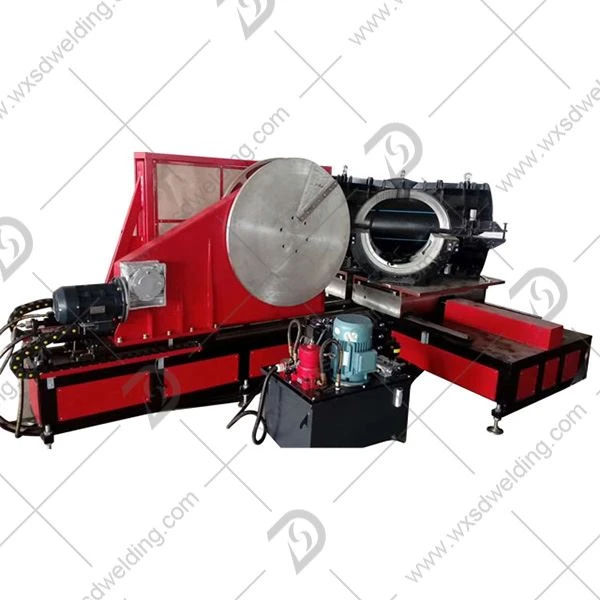
At our company, we offer a wide range of high-quality workshop welding machines, including the Workshop Angle Fitting Fusion Welding Machine, the High Quality Hydraulic Butt Fusion Machine, and the Workshop Pipe Fitting Fabrication Machine. Our machines are designed with advanced cooling systems and high-quality components to minimize the risk of overheating.
If you're in the market for a new workshop welding machine or if you have any questions about our products, don't hesitate to contact us. We're here to help you find the right machine for your needs and to ensure that you get the most out of it.
Conclusion
Overheating is a common problem with workshop welding machines, but it can be prevented with proper maintenance and usage. By following the tips I've shared in this blog post, you can keep your welding machine running smoothly and avoid costly repairs. If you have any questions or need further assistance, feel free to reach out. We're always happy to help!
References
- Welding Machine Manufacturer's Manuals
- Industry Best Practices for Welding Machine Maintenance