


Hey there! As a supplier of electrofusion machines, I often get asked this question: How often should an electrofusion machine be calibrated? It's a crucial topic, and today, I'm gonna break it down for you.
First off, let's understand what calibration is all about. Calibration is the process of comparing a machine's measurements or performance to a known standard. For an electrofusion machine, this means ensuring that the temperature, voltage, and time settings are accurate. Why is this so important? Well, accurate calibration directly affects the quality of the welds. If the machine isn't calibrated correctly, it can lead to weak welds, which can cause leaks or failures in the pipeline system. That's a big no - no, especially when we're talking about critical applications like gas or water supply.
Now, how often should you calibrate your electrofusion machine? There isn't a one - size - fits - all answer. It depends on several factors.
Frequency Based on Usage
If your electrofusion machine is used frequently, say in a large - scale industrial project where it's running almost non - stop, it'll need more frequent calibration. In such high - usage scenarios, I'd recommend calibrating the machine every 3 to 6 months. The constant operation can cause wear and tear on the internal components, which can affect the accuracy of the settings. For example, the heating elements might start to degrade over time, leading to inconsistent temperature outputs.
On the other hand, if the machine is used sporadically, like in a small - scale plumbing business where it's only used a few times a month, an annual calibration might be sufficient. The less it's used, the less likely it is for the components to wear out quickly. But even if it's not used often, it's still a good idea to give it a check - up at least once a year to make sure everything is in working order.
Environmental Factors
The environment in which the electrofusion machine operates also plays a significant role. If the machine is used in harsh conditions, such as extreme temperatures, high humidity, or dusty environments, it'll need more frequent calibration. Extreme temperatures can cause the electrical components to expand or contract, which can throw off the calibration. High humidity can lead to corrosion, and dust can clog the ventilation systems, affecting the machine's performance.
For machines operating in these tough environments, I'd suggest calibrating every 3 to 4 months. This way, you can catch any issues early and prevent them from causing major problems. In a more controlled environment, like an indoor workshop with stable temperature and humidity levels, you might be able to stretch the calibration interval to 6 to 12 months.
Manufacturer's Recommendations
Another important factor to consider is the manufacturer's recommendations. Different electrofusion machines are built differently, and the manufacturers usually have specific guidelines on calibration frequency. They know their products best and have conducted tests to determine the optimal calibration intervals. So, always check the user manual that comes with your machine. It'll have detailed information on how often you should calibrate and what the calibration process involves.
Signs That Your Machine Needs Calibration
Even if you're following a regular calibration schedule, there are some signs that your electrofusion machine might need immediate calibration. If you notice inconsistent weld quality, such as some welds being too weak while others are over - heated, it could be a sign that the machine is out of calibration. Also, if the machine is displaying error messages related to temperature, voltage, or time settings, that's a clear indication that something is wrong.
If you're experiencing any of these issues, don't wait for the next scheduled calibration. Get your machine checked out right away. It's better to address the problem early than to risk a major failure down the line.
Our Range of Electrofusion Machines
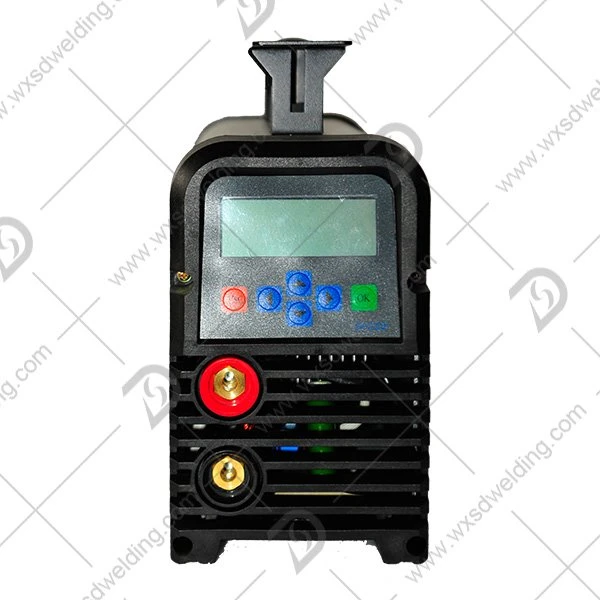
At our company, we offer a wide range of high - quality electrofusion machines. Whether you're looking for a PE Electrofusion Welding Machine, an Electrofusion Pipe Welding Machine, or an HDPE Pipe Electrofusion Machine, we've got you covered. Our machines are built to last and are designed with the latest technology to ensure accurate and reliable performance.
We also provide calibration services for our machines. Our team of experts is highly trained and experienced in calibrating electrofusion machines. We use state - of - the - art equipment to ensure that your machine is calibrated to the highest standards. And if you have any questions about calibration or any other aspect of our electrofusion machines, our customer support team is always here to help.
Conclusion
So, to sum it up, the frequency of electrofusion machine calibration depends on usage, environmental factors, and the manufacturer's recommendations. In general, high - usage and harsh environments call for more frequent calibration, while low - usage and controlled environments allow for longer intervals. Always keep an eye out for signs that your machine needs calibration, and don't hesitate to get it checked if you notice any issues.
If you're in the market for a new electrofusion machine or need calibration services, don't hesitate to reach out. We're here to help you make the right choice and ensure that your electrofusion machine is always performing at its best. Contact us today to start the conversation and let's work together to meet your electrofusion needs.

References
- Industry standards for electrofusion machine calibration
- Manufacturer's user manuals for electrofusion machines
- Technical reports on the impact of environmental factors on electrofusion machine performance