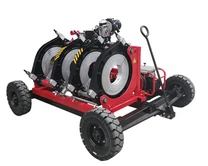
I. Hydraulic System Maintenance
1. Check Oil Level and Quality
Before starting work each day, check the hydraulic oil level in the tank to ensure it is within the marked range. The oil should be clear, free of emulsification and impurities. New equipment requires its first hydraulic oil change after three months of use, and thereafter it is recommended to change it annually. During winter operation, the oil temperature should not be lower than 12℃.
2. Clean or Replace Filter Elements
Regularly clean or replace the hydraulic oil filter to prevent contaminants from entering the system and causing wear on pumps and valves. It is recommended to perform this operation quarterly, or according to the equipment manufacturer's recommended schedule.
3. Check Piping and Seals
Regularly check oil pipes, joints, and seals for cracks, looseness, or leaks. Replace any aged or damaged parts promptly to avoid insufficient pressure or system failure due to internal leakage.
II. Electrical and Control System Maintenance
1. Tighten Wiring Connections
Regularly check the input and output terminals and internal wiring screws for looseness, remove rust, and ensure good electrical contact. Simultaneously check that the motor grounding wire is secure to prevent leakage risks.
2. Test the function of control components. Check that the buttons, handles, and limit switches are sensitive and reliable, and that the solenoid valves operate smoothly. It is recommended to calibrate key instruments such as pressure gauges and temperature sensors annually to ensure accurate readings.
3. Clean dust inside the electrical control box. Use dry compressed air to blow away accumulated dust from the transformer, power semiconductors, and circuit boards to prevent insulation degradation or short circuits, ensuring stable operation of the control system.
III. Maintenance of Mechanical Structure and Moving Parts
1. Lubricate key parts. Regularly add lubricating oil or grease to the four columns, guide rails, bearings, and other sliding parts according to the lubrication schedule to reduce friction and improve smooth operation.
2. Tighten bolts in all parts. Regularly check that all bolts and anchor bolts in the equipment are not loose. If any are found to be loose, tighten them promptly to prevent component misalignment or reduced welding precision due to vibration.
3. Maintain the Cooling and Pressurization System
Ensure cooling water pipes are unobstructed and free of scale buildup; change cooling water regularly; drain water from the air filter, clean the muffler pores, and regularly lubricate the piston rod surface to prevent corrosion.
IV. Daily Operational Inspections
1. Before Work: Check oil level, button sensitivity, safety protection devices, handle flexibility, and grounding wire status.
2. During Work: Observe whether the hydraulic pump is operating normally, whether there are any leaks in the seals, and whether the temperature and sound are abnormal during operation.
3. After Work: Clean moving parts, return control handles to zero, tidy the workbench, and remove welding slag and oil stains.