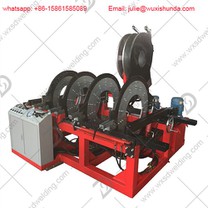
I. Improve structural durability: Reduce metal fatigue and ensure rigidity and stability. The machine frame and guide rails are subjected to high-load forging forces over long periods, making them prone to fatigue damage. This requires attention to both usage and monitoring:
Avoid overloading: Welding workpieces exceeding the equipment specifications is strictly prohibited to prevent plastic deformation of the frame.
Regularly inspect welds and connections: Perform visual or non-destructive testing (such as magnetic particle testing) quarterly, focusing on stress concentration areas.
Keep guide rails lubricated and clean: Use specialized guide rail grease to prevent dust and metal shavings from scratching the sliding surfaces and ensure smooth movement.
✅ Recommendation: In high-frequency operation scenarios, conduct a static rigidity test every six months, comparing the initial deflection data to promptly identify potential deformation.
II. Ensuring Hydraulic System Stability: Maintaining a Triple Balance of Cleanliness, Pressure, and Temperature
The hydraulic system is a high-risk area for failures, and its lifespan directly determines the reliability of the entire machine.
Regular Hydraulic Oil Changes:
Cycle: Every 1000–1500 hours or annually (whichever comes first)
Requirements: Use the oil recommended in the equipment manual; avoid mixing different brands.
Cleaning or Replacing Filters: Inspect quarterly; replace filters immediately if severely contaminated to prevent impurities from entering the valve body.
Preventing Air from Entering the System: Avoid splashing during refueling; ensure the oil tank is well-sealed to prevent cavitation damage to components.
Monitoring Oil Temperature and Pressure: Normal operating oil temperature should be controlled between 30–60℃. If it exceeds 65℃, shut down the machine and check the cooling system.
✅ Recommendation: Install an online pressure monitoring module to record system pressure fluctuations in real time and provide early warnings of leaks or blockages.
III. Maintaining the Accuracy of the Welding Actuator: Ensuring Clamping and Alignment Consistency
Welding quality depends on electrode alignment accuracy and clamping force stability, requiring regular calibration:
Check Electrode Wear and Deformation: Check the flatness of the electrode head after every 500–1000 welds. If wear exceeds 1mm, it should be repaired or replaced promptly.
Calibrate Fixture Alignment Accuracy: Use a dial indicator to measure the closing deviation of the left and right clamps. Repeat positioning accuracy should be ≤±0.2mm.
Clean Workpiece Contact Surfaces: Remove oxide scale, oil, and other contaminants before welding to prevent increased contact resistance and localized overheating.
✅ Recommendation: Establish an electrode maintenance log, recording the time and number of uses for each repair/re-grinding step to ensure traceability of electrode lifespan.
IV. Optimize Operation and Maintenance Cost Management: Prevention First, Reduce Long-Term Expenses
Through refined management, the economic lifespan of equipment can be significantly extended:
Develop Preventive Maintenance Plans: Develop monthly, quarterly, and annual maintenance lists according to the equipment manual to avoid sudden failures.
Use Original or Equivalent Wear Parts: It is recommended to use original or certified replacement parts for components such as electrodes, sealing rings, and filter elements to prevent chain damage caused by inferior parts.
Train Operators: Standardize start-up and shutdown procedures and eliminate rough handling (such as forced disassembly or starting under load).
Establish Equipment Health Records: Record data from each repair, replacement, and performance test to provide a basis for lifespan prediction and replacement decisions.