



Yo! As a supplier of Pe Welding Machines, I often get asked about the pre - heating time of these machines. It's a crucial factor that can greatly affect the quality of the welding job. So, let's dig into it and figure out what the pre - heating time really is all about.
First off, what's pre - heating in the context of a Pe Welding Machine? Well, pre - heating is the process of heating the polyethylene (PE) pipes or fittings before the actual welding takes place. This step is super important because it helps to ensure a proper fusion between the two pieces of PE material. When the PE is pre - heated to the right temperature, it becomes more malleable, and the molecules can mix together better during the welding process, resulting in a stronger and more reliable joint.
Now, the pre - heating time isn't a one - size - fits - all thing. It depends on several factors that we need to take into account.
Factors Affecting Pre - Heating Time
1. Pipe Diameter
One of the biggest factors is the diameter of the PE pipes. Larger diameter pipes require more time to pre - heat. Why? Simply because there's more material to heat up. For instance, if you're working with a small - diameter pipe, say around 20mm, the pre - heating time might be just a few minutes. But if you're dealing with a pipe that's 630mm in diameter, you're looking at a significantly longer pre - heating time, maybe 20 minutes or more.
2. Wall Thickness
The wall thickness of the pipes also plays a key role. Thicker walls take longer to heat through compared to thinner ones. A pipe with a thick wall has more material that needs to reach the optimal pre - heating temperature. So, if you've got a pipe with a wall thickness of 10mm, it'll need more pre - heating time than a pipe with a 3mm wall thickness.
3. Ambient Temperature
The temperature of the environment where the welding is taking place can't be ignored. In cold weather, the pre - heating time will be longer because the cold air around the pipes is constantly trying to cool them down. On a hot summer day, the pipes might already be at a relatively high temperature, so the pre - heating time could be shorter. For example, in an environment where the ambient temperature is below freezing, you'll need to add extra time to the pre - heating process to make sure the pipes reach the right temperature.
4. Type of PE Material
Different types of polyethylene materials have different melting points and heat transfer properties. Some PE materials are more heat - resistant and require more time to pre - heat. For example, high - density polyethylene (HDPE) has a higher melting point compared to low - density polyethylene (LDPE). So, if you're using HDPE pipes, you'll need to pre - heat them for a longer time to achieve the right welding conditions.
How to Determine the Pre - Heating Time
So, how do you figure out the exact pre - heating time for your specific welding job? Well, most Pe Welding Machines come with a user manual that provides some guidelines based on the pipe diameter and wall thickness. These guidelines are a good starting point, but you also need to consider the other factors I mentioned earlier, like ambient temperature and the type of PE material.
You can also use a temperature sensor to monitor the temperature of the pipes during the pre - heating process. Once the pipes reach the recommended pre - heating temperature, which is usually around 200 - 220 degrees Celsius for most PE materials, you're ready to start the welding process.
Importance of Correct Pre - Heating Time
Getting the pre - heating time right is crucial for a successful welding job. If you pre - heat the pipes for too short a time, the pipes won't be at the optimal temperature for welding. This can result in a weak joint that might leak or break under pressure. On the other hand, if you pre - heat the pipes for too long, the PE material can start to degrade, which also weakens the joint. So, it's all about finding that sweet spot.
Our Pe Welding Machines
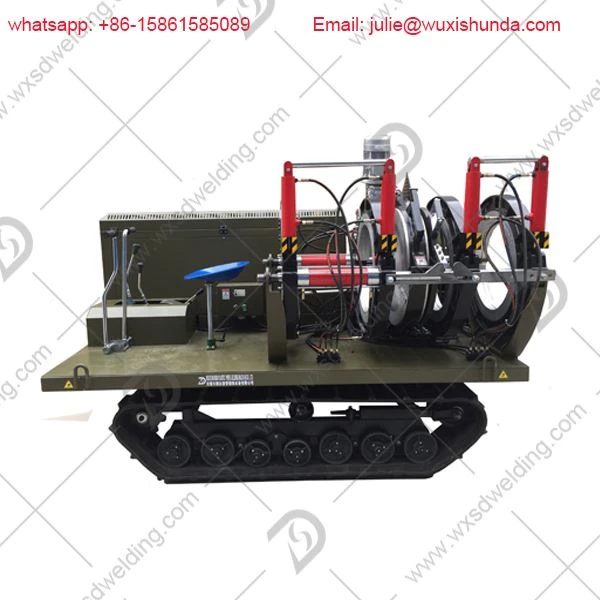
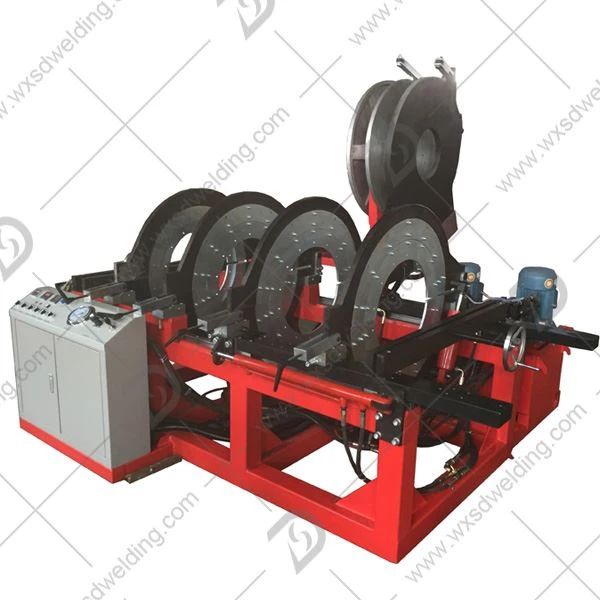
At our company, we offer a range of high - quality Pe Welding Machines that are designed to make the pre - heating process as efficient as possible. Our Pe Gas Butt Welding Machine is a great option for many welding jobs. It's easy to operate and has features that help you control the pre - heating time accurately.
We're also a Butt Fusion Welding Manufacturer, which means we know what it takes to produce top - notch welding machines. Our Pipeline Welding Machine is specifically designed for large - scale pipeline projects, and it can handle the pre - heating of big - diameter pipes with ease.
Conclusion
In conclusion, the pre - heating time of a Pe Welding Machine is a complex but important aspect of the welding process. It depends on factors like pipe diameter, wall thickness, ambient temperature, and the type of PE material. By understanding these factors and using the right equipment, you can ensure that your welding jobs are successful and your joints are strong.
If you're in the market for a Pe Welding Machine or have any questions about pre - heating times or welding in general, don't hesitate to reach out. We're here to help you with all your welding needs and can provide you with the best solutions for your projects. Let's start a conversation and see how we can work together to achieve great welding results.
References
- "Polyethylene Pipe Handbook" by The Plastics Pipe Institute.
- Manufacturer's manuals of various Pe Welding Machines.