


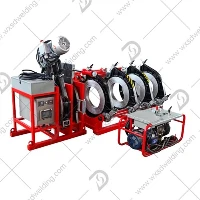
When it comes to HDPE pipe installation, the butt joint method is one of the most commonly used techniques, and HDPE pipe butt joint machines play a crucial role in ensuring a strong and reliable connection. As a supplier of HDPE pipe butt joint machines, I often receive inquiries about the maximum pressure that joints made by these machines can withstand. In this blog post, I will delve into this topic, exploring the factors that influence joint pressure resistance and providing insights based on industry knowledge and experience.
Understanding HDPE Pipe and Butt Jointing
HDPE, or High - Density Polyethylene, is a thermoplastic polymer known for its high strength - to - density ratio, chemical resistance, and durability. HDPE pipes are widely used in various applications, including water supply, gas distribution, sewerage systems, and industrial piping.
Butt jointing is a process where two HDPE pipes are joined together by heating the ends of the pipes and then pressing them together. This creates a homogenous joint that is as strong as the pipe itself. The HDPE pipe butt joint machine is designed to control the heating, pressing, and cooling processes precisely, ensuring a high - quality joint.
Factors Affecting the Maximum Pressure of HDPE Pipe Joints
1. Pipe Material Quality
The quality of the HDPE pipe material is a fundamental factor in determining the joint's pressure - bearing capacity. High - quality HDPE pipes with consistent density, molecular weight, and proper additives will result in stronger joints. For instance, pipes made from virgin HDPE resin generally have better mechanical properties compared to those made from recycled materials. The manufacturer's specifications regarding the pipe's pressure rating (such as PN - Pressure Nominal) should be carefully considered. A pipe with a higher PN rating will be able to withstand greater internal pressure, and the joint will inherit a significant portion of this pressure - resistance capability.
2. Jointing Process
The jointing process carried out by the HDPE pipe butt joint machine is critical. Factors such as heating temperature, heating time, fusion pressure, and cooling time all affect the quality of the joint. If the heating temperature is too low, the pipes may not fuse properly, resulting in a weak joint. On the other hand, if the temperature is too high, the polymer may degrade, also reducing the joint's strength. The fusion pressure must be sufficient to ensure proper material flow and bonding between the two pipe ends. Insufficient pressure can lead to voids or weak interfaces in the joint. The cooling time is also important, as rapid cooling can cause internal stresses in the joint, which may reduce its pressure - resistance.
3. Machine Precision
The precision of the HDPE pipe butt joint machine is another key factor. A well - designed and maintained machine can ensure consistent jointing parameters. For example, a machine with accurate temperature control and pressure regulation will produce more reliable joints. Our Plastic Pipe Portable Ppr Pipe Welding Machine is equipped with advanced sensors and control systems to ensure precise operation, which is essential for creating high - pressure - resistant joints.
4. Pipe Diameter and Wall Thickness
Larger diameter pipes and pipes with thicker walls generally have a higher pressure - bearing capacity. The joint in a larger - diameter pipe needs to distribute the internal pressure over a larger area, and a thicker wall provides more material to resist the pressure. When using an HDPE pipe butt joint machine, the machine should be adjusted according to the pipe's diameter and wall thickness to ensure a proper joint.
Industry Standards and Testing
There are several industry standards that govern the design, installation, and testing of HDPE pipe joints. For example, the ASTM D3261 standard provides guidelines for butt - fusion joining of polyethylene pipe and fittings. These standards specify the requirements for jointing procedures, quality control, and pressure testing.
Pressure testing is an important step in determining the maximum pressure that a joint can withstand. Hydrostatic pressure testing is commonly used, where the joint is filled with water and pressurized to a specified level for a certain period. The joint is then inspected for any signs of leakage or failure. By following these standards and conducting proper testing, we can ensure that the joints made by our HDPE pipe butt joint machines meet the required pressure - resistance criteria.
Typical Pressure Ratings of HDPE Pipe Joints
The maximum pressure that joints made by HDPE pipe butt joint machines can withstand varies depending on the factors mentioned above. In general, for small - diameter pipes used in low - pressure applications such as residential water supply, the joints can typically withstand pressures of up to 10 - 16 bar (145 - 232 psi). For larger - diameter pipes used in industrial or high - pressure applications, the joints can withstand pressures of 25 bar (363 psi) or more.
It's important to note that these are just general guidelines, and the actual pressure rating should be determined based on the specific pipe material, jointing process, and application requirements. Our Hdpe Pipe Joint Machine Price page provides more information about the machines we offer, which are designed to create joints with high pressure - resistance.


Applications and Considerations
In water supply systems, HDPE pipe joints need to withstand the pressure of the water flow, which can vary depending on the elevation, pumping requirements, and system design. In gas distribution networks, the joints must be able to handle the pressure of the gas, which is typically higher than that of water. Industrial applications may require even higher pressure - resistant joints, especially in processes where high - pressure fluids or gases are involved.
When selecting an HDPE pipe butt joint machine, it's important to consider the specific application requirements. Our Pipe Jointing Welders Equipment is suitable for a wide range of applications, from small - scale residential projects to large - scale industrial installations.
Conclusion
The maximum pressure that joints made by HDPE pipe butt joint machines can withstand is influenced by multiple factors, including pipe material quality, jointing process, machine precision, pipe diameter, and wall thickness. By understanding these factors and following industry standards, we can ensure that the joints are strong and reliable.
As a supplier of HDPE pipe butt joint machines, we are committed to providing high - quality equipment that can create joints with excellent pressure - resistance. If you are involved in an HDPE pipe installation project and need to ensure the joints can withstand the required pressure, we are here to help. Contact us to discuss your specific requirements and explore how our machines can meet your needs.