


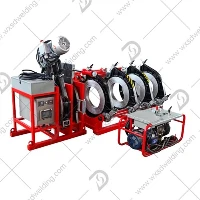
As a Ppr Welding Machine Supplier, I understand that users may encounter various common problems when using Ppr Welding Machines. In this blog, I will share some effective troubleshooting methods for these common issues to help you get your machine back in working order as quickly as possible.
1. The Heating Element Fails to Heat Up
One of the most common problems with Ppr Welding Machines is that the heating element fails to heat up. This can be a major setback as the heating element is crucial for melting the PPR pipes during the welding process.
- Check the Power Supply
- First, make sure that the welding machine is properly plugged into a working power outlet. You can try plugging another device into the same outlet to confirm that it has power.
- Also, check the power cord for any visible damage, such as cuts or frayed wires. If the power cord is damaged, it should be replaced immediately to avoid electrical hazards.
- Inspect the Heating Element
- The heating element may have burned out. You can use a multimeter to test the resistance of the heating element. If the resistance is infinite, it indicates that the heating element is broken and needs to be replaced.
- In some cases, the connection between the heating element and the wiring may be loose. Check the connections and tighten them if necessary.
2. Uneven Heating
Sometimes, you may notice that the PPR pipes are not heated evenly during the welding process. This can lead to poor-quality welds and potential leaks in the pipeline.
- Clean the Heating Plates
- Over time, the heating plates of the welding machine can accumulate dirt, debris, and melted plastic residues. These contaminants can prevent the heat from being transferred evenly to the pipes.
- Use a clean cloth or a mild solvent to clean the heating plates regularly. Make sure to remove all the residues and dirt to ensure uniform heat distribution.
- Check the Alignment of the Pipes
- Incorrect alignment of the pipes in the welding machine can also cause uneven heating. Ensure that the pipes are properly inserted into the welding sockets and are centered on the heating plates.
- Some Ppr Welding Machines come with alignment guides. Make use of these guides to ensure accurate alignment of the pipes.
3. Poor Weld Quality
Even when the heating element is working properly and the pipes are heated evenly, you may still encounter issues with poor weld quality, such as weak joints or visible gaps in the weld.
- Adjust the Welding Time and Temperature
- Different PPR pipes have different melting points and require specific welding times and temperatures. Refer to the manufacturer's instructions for the recommended welding parameters for the type of PPR pipes you are using.
- If the welds are too weak, you may need to increase the welding time or temperature slightly. Conversely, if the pipes are over - heated and the welds are deformed, reduce the welding time or temperature.
- Check the Pipe and Fitting Compatibility
- Ensure that the PPR pipes and fittings you are using are compatible. Incompatible pipes and fittings may not bond properly during the welding process.
- Always use pipes and fittings from the same manufacturer and with the same specifications.
4. The Welding Machine Makes Strange Noises
Strange noises coming from the Ppr Welding Machine can be a sign of underlying problems.
- Check for Loose Parts
- Vibrations during the operation of the welding machine can cause some parts to become loose. Inspect the machine for any loose screws, nuts, or other components. Tighten them if necessary.
- Lubricate Moving Parts
- Some parts of the welding machine, such as the handles or the moving mechanisms, may require lubrication. Use a suitable lubricant to lubricate these parts according to the manufacturer's recommendations.
5. Difficulty in Inserting or Removing Pipes
If you find it difficult to insert or remove the PPR pipes from the welding machine, it can slow down the welding process and may also damage the pipes.


- Check the Socket Size
- Make sure that the socket size of the welding machine matches the diameter of the PPR pipes you are using. Using the wrong socket size can make it difficult to insert or remove the pipes.
- If the socket is too small, the pipes may not fit properly, and if it is too large, the pipes may not be held firmly during the welding process.
- Clean the Sockets
- Similar to the heating plates, the sockets of the welding machine can also accumulate dirt and debris. Clean the sockets regularly to ensure smooth insertion and removal of the pipes.
As a Ppr Welding Machine Supplier, we are committed to providing high - quality Ppr Welding Machines and excellent after - sales service. If you are experiencing any problems with your Ppr Welding Machine that you cannot solve on your own, or if you are looking to purchase a new Ppr Welding Machine, such as our PPR Pipe Welding Machine Socket Welder or PPR Socket Welding Machine, please feel free to contact us. We have a team of experienced technicians who can assist you with troubleshooting and provide you with professional advice. We look forward to the opportunity to cooperate with you and help you meet your PPR welding needs.
References
- Manufacturer's manuals of Ppr Welding Machines
- Industry standards for PPR pipe welding