


Hey there! As a supplier of Manual PE Pipe Welding Machines, I'm stoked to share with you how to operate these machines correctly. Whether you're a newbie in the field or just looking to brush up on your skills, this guide is for you.
Pre - operation Checks
Before you even think about firing up the machine, you've got to do some pre - operation checks. First off, take a good look at the machine. Make sure all the parts are in place and there are no obvious signs of damage. Check the power cord for any frays or cuts. You don't want to risk an electrical hazard, right?
Inspect the welding jaws. They should be clean and free of any debris. If there's any dirt or rust on them, it can affect the quality of the weld. You can use a clean cloth to wipe them down. Also, check the alignment of the jaws. Misaligned jaws can lead to uneven welds, so it's crucial to get them right.
Another important thing is to check the heating plate. It should be in good condition, with no cracks or warping. The temperature control on the heating plate is also vital. You need to set it to the correct temperature for the type of PE pipe you're working with. Different PE pipes have different melting points, so make sure you know what you're dealing with.
Preparing the Pipes
Once you've done the pre - operation checks, it's time to prepare the pipes. Start by cutting the pipes to the right length. You can use a pipe cutter for this. Make sure the cut is straight and clean. A jagged cut can cause problems during the welding process.
Next, you need to clean the ends of the pipes. Use a pipe cleaner or a piece of sandpaper to remove any dirt, grease, or oxidation. This will ensure a good bond between the pipes. After cleaning, use a measuring tool to mark the insertion depth on the pipes. This will help you align the pipes correctly during the welding process.
Setting up the Machine
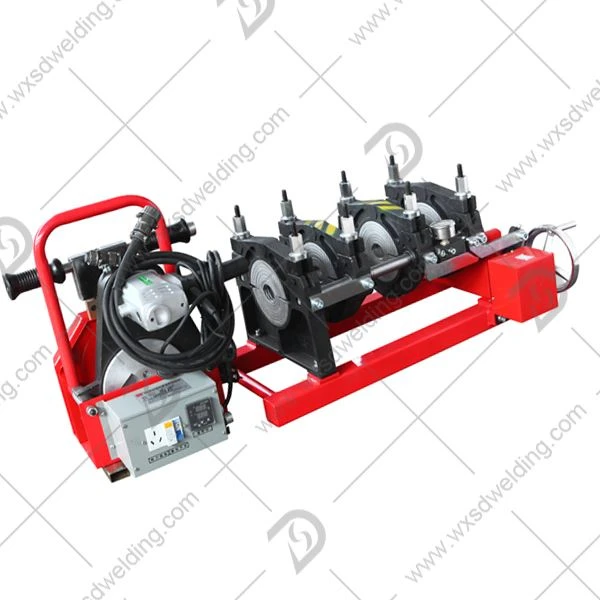
Now that the pipes are ready, it's time to set up the Manual PE Pipe Welding Machine. First, connect the machine to a power source. Make sure the power supply matches the requirements of the machine. Then, place the pipes in the welding jaws. Align them carefully according to the marks you made earlier.
Set the heating plate temperature as per the specifications of the PE pipes. You can refer to the user manual for the correct temperature settings. Once the temperature is set, wait for the heating plate to reach the desired temperature. This may take a few minutes, so be patient.

Welding Process
Once the heating plate is at the right temperature, it's time to start the welding process. Open the welding jaws and place the heating plate between the pipe ends. Close the jaws gently so that the pipe ends are in contact with the heating plate. Hold them there for the recommended time, which is usually specified in the user manual.
During this time, the PE pipes will start to melt. You'll notice a small bead of melted plastic forming around the edges of the pipes. Once the melting time is up, quickly remove the heating plate. This should be done as smoothly as possible to avoid any disruption to the melted pipes.
Immediately after removing the heating plate, bring the two pipe ends together. Apply a gentle pressure to ensure a good bond. Hold the pipes in place for a few minutes until the weld cools down and hardens. Don't move the pipes during this time, as it can affect the quality of the weld.
Post - welding Checks
After the weld has cooled down, it's important to do some post - welding checks. Inspect the weld for any signs of cracks, gaps, or unevenness. A good weld should be smooth and have a consistent bead around the joint. If you notice any problems, you may need to repeat the welding process.
You can also do a pressure test on the welded pipes if possible. This will help you ensure that the weld is strong and leak - proof. If the pipes pass the pressure test, then you've done a great job!
Tips for a Successful Weld
- Keep it clean: Always keep the machine and the pipes clean. Dirt and debris can affect the quality of the weld.
- Follow the instructions: The user manual is your best friend. Make sure you follow all the instructions carefully.
- Practice makes perfect: If you're new to using a Manual PE Pipe Welding Machine, practice on some scrap pipes first. This will help you get the hang of the process.
Conclusion
Operating a Manual PE Pipe Welding Machine correctly is not as hard as it may seem. By following these steps and tips, you can ensure that you get high - quality welds every time. Whether you're working on a small DIY project or a large - scale construction job, these machines are a great tool.
If you're in the market for a Manual PE Pipe Welding Machine, we've got you covered. We offer a wide range of machines, including the Manual Butt Fusion Pipe Welding Machine, Manual Butt Fusion Welding Machine, and Pe Butt Welding Machine. If you're interested in purchasing one of our machines or have any questions, feel free to reach out for a procurement discussion. We're here to help you find the best solution for your needs.